 Plástico Jinmai

Direct answer: The custom PP corrugated box manufacturing process has five stages: translate the application into a controlled drawing; confirm the PP sheet and process route; cut, crease and check the first piece; assemble joints and accessories; then inspect, identify, pack and prepare the order for delivery. Exact operations depend on the approved design.
Scope: This article covers box converting from approved PP hollow sheet and a controlled drawing; it does not cover resin formulation or sheet extrusion.
Use this guide to follow the drawing, material, first-piece, assembly and final-release records for a proposed box. The quality-gate table below shows which evidence to request at each stage.
Key takeaways
- The process begins with the product, pack-out and handling route, not with an off-the-shelf box size.
- The drawing revision, approved sample and order must identify the same construction before bulk work starts.
- Corte, crease positions, slots, holes and flute direction affect how the flat sheet becomes a usable box.
- A first-piece check catches conversion or assembly errors before they spread through a batch.
- Quality gates must use measurable, project-specific criteria for dimensions, material, workmanship, function and packing.
- Delivery timing and packing method can be confirmed only after the structure, sample status, quantity and production plan are known.
Why does the drawing matter more than a verbal description?
“Blue plastic box with dividers” is not a production specification. A usable drawing identifies what the dimensions mean, where the folds and slots sit, which features are critical, how the box closes, and which revision controls the order. If the box must locate a part, fit a rack or interface with a pallet, the relevant datums and clearances should also be visible.
The drawing does not replace application information. Two boxes with the same outside dimensions may need different sheet configurations, joints or internal structures because one is carried by hand, another is moved on a cart, and a third is stacked while loaded. Product weight, quantity per box, lift points, stack support, return logistics, surface sensitivity, cleaning and any functional material requirement all influence the route.
Custom PP Corrugated Box Manufacturing Process: 5 Stages
Stage 1: Translate the application into a controlled box drawing
The supplier first needs enough information to define the packaging problem. Useful inputs include the product’s maximum dimensions and weight, the number and orientation of parts per box, sensitive contact areas, the loaded handling method, stacking conditions, the empty-return route and the delivery destination.
The drawing should distinguish internal and external dimensions and identify tolerances where they matter. It should also show the flat blank, crease and slot positions, holes, joint locations, lid or opening arrangement, hand holes or handles, diseño del divisor, labels and artwork when applicable. One revision should be named as the release basis; email comments and marked-up photos should not remain as competing instructions.
Stage 2: Confirm the PP sheet and manufacturing route
Sheet thickness alone does not define a box. Espesor, basis weight (GSM), flute direction, color, resin or grade requirements and any functional property must be agreed at the level needed for the application. If the buyer requires an ESD, ultravioleta, ignífugo, food-contact or other controlled function, the target, test method, evidence and acceptance rule should be stated rather than reduced to a color or a broad label. For ESD terminology and evidence boundaries, use Jinmai’s anti-static vs conductive PP hollow-sheet guide.
The process route is then planned around the construction. Possible operations include cutting, creasing, slotting, punching or die-cutting, printing or labeling, joining, edge treatment and divider assembly. Their sequence depends on the design. For example, a printed foldable tote, a fixed box with hardware and a plain divider box do not follow an identical route.
Stage 3: Cut, crease and release the first converted piece
The approved layout is converted from flat PP hollow sheet into a blank or set of components. This is where drawing dimensions become cut edges, fold lines, slots, holes and tabs. The crease pattern must produce the intended folds without shifting critical features from their drawing datums.
Before the batch continues, the first converted piece should be compared with the controlled drawing. Typical checks include blank dimensions, critical crease and slot positions, hole locations, flute direction, edge condition and whether mating parts fit. If a discrepancy is found, the revision, setup or method should be corrected before more material is processed.
Stage 4: Join and assemble the finished structure
The flat blank becomes a box through the joint and assembly method specified for that design. Depending on the construction, that may involve box nailing or stitching, soldadura, rivets or other fasteners, tabs, gluing, or a combination. Joint choice is not a universal strength ranking; it depends on load path, foldability, repair, product contact, cleaning and acceptable protrusions.
For a project-specific comparison, use our welded vs. riveted corrugated plastic box guide to review product clearance, drawing details and sample approval before selecting the joint.
Lids, manijas, hook-and-loop closures, edge protection, etiquetas, divider grids, layer pads and other accessories are added only when the project calls for them. At this point, the assembler can check corner alignment, opening and folding action, joint position, fastener condition, divider fit and obvious sharp or exposed features. A box that looks square while empty may still need a pack-out trial with the real product.
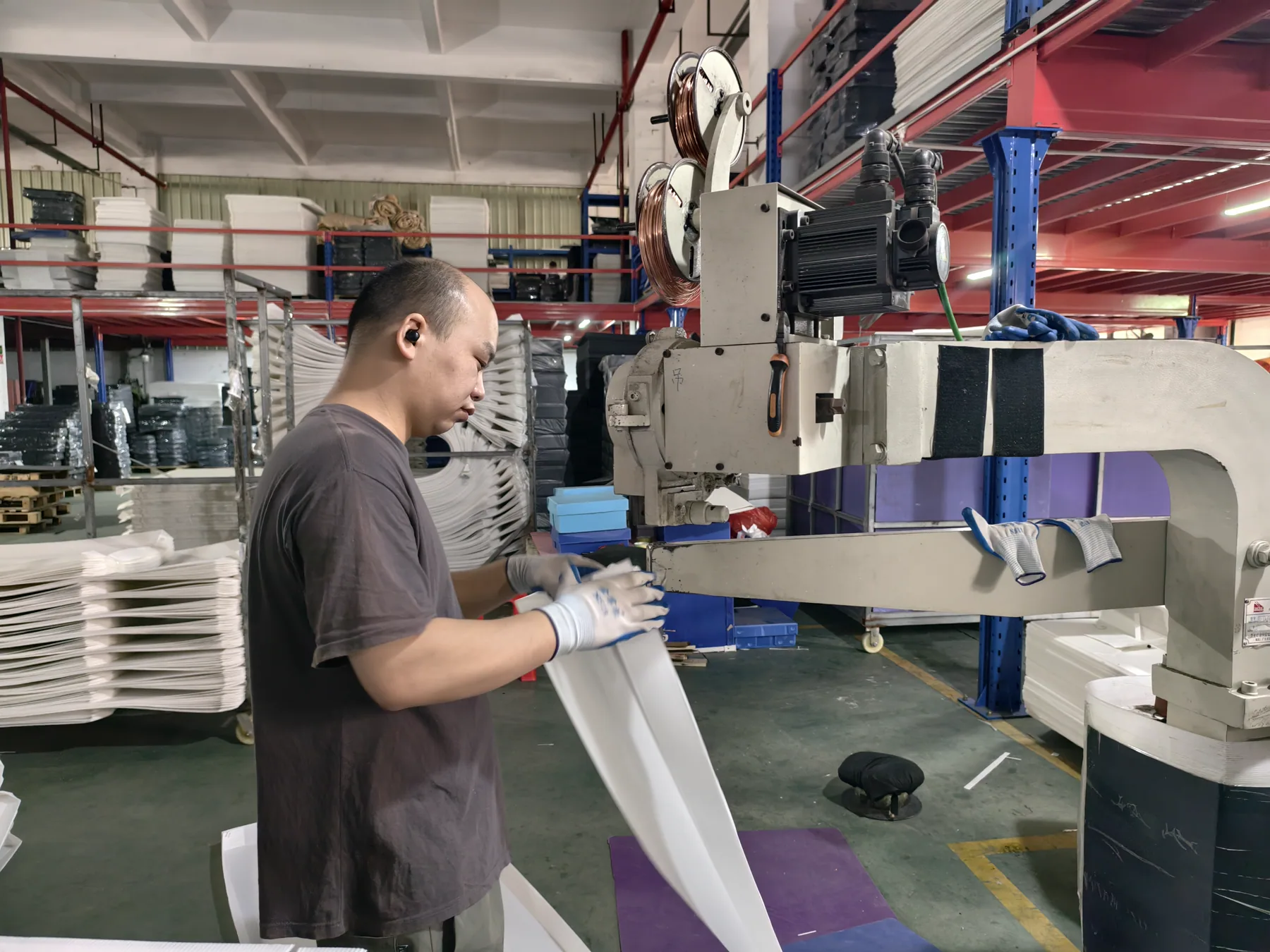
Stage 5: Inspect, identify, pack and prepare the order for delivery
Final inspection should be tied to the drawing and purchase requirements. Common categories are identity and revision, finished dimensions, appearance, crease and slot positions, assembly state, accessories, print or label details, quantity and packing condition. Material declarations or performance checks are added only when they were agreed for the project.
At receipt, use the corrugated plastic box incoming inspection checklist to verify the delivered lot against the approved requirements.
Finished goods should remain identifiable by order or controlled status before loading. Packing and loading are part of the manufacturing handoff: an assembled fixed box, a flat-packed foldable box and loose divider components need different protection, counting and loading arrangements. The shipment plan should match the product form, transport route and receiving conditions.
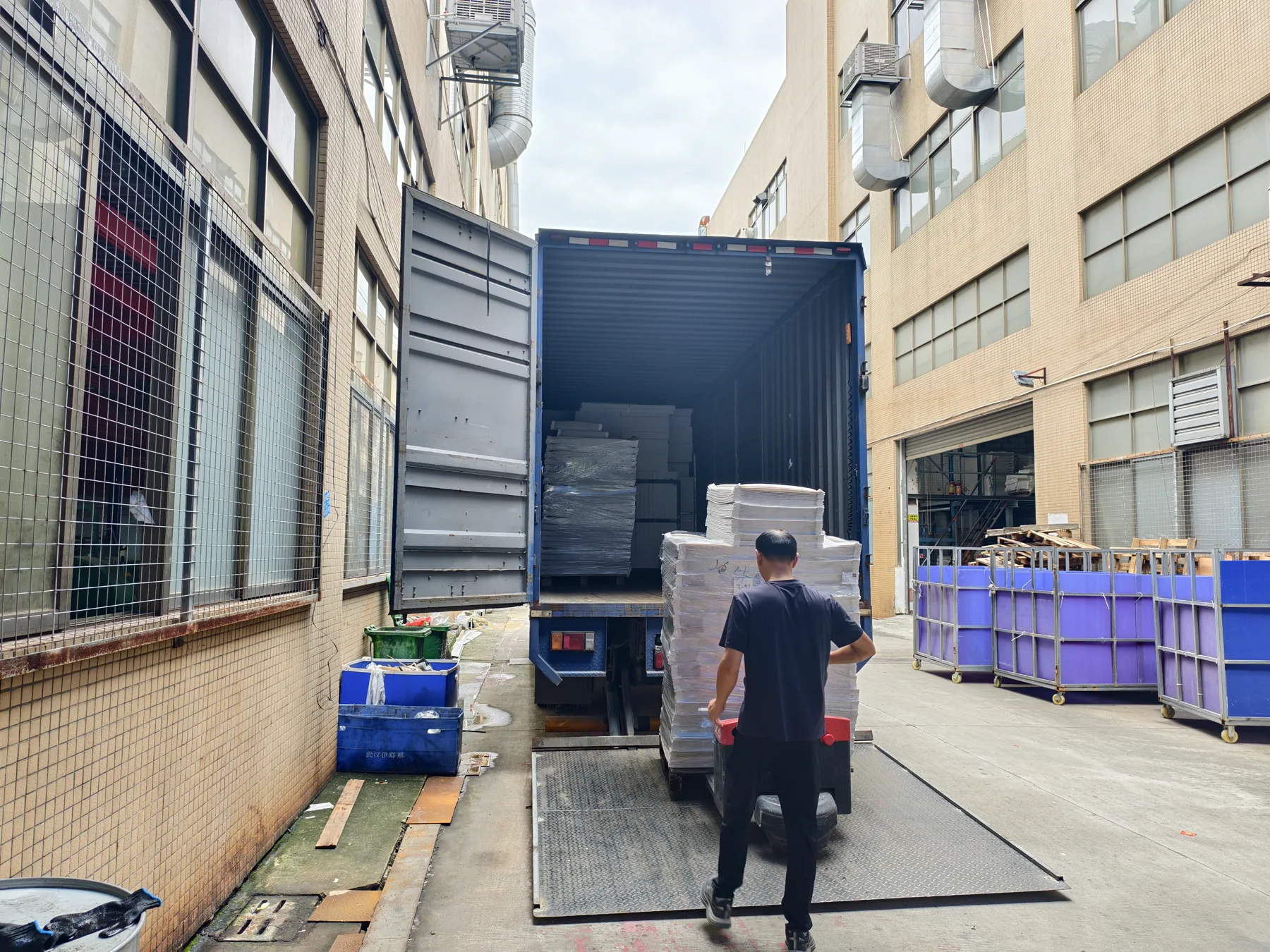
Project boundary: This five-stage route is a practical model, not a promise that every box uses every operation. The production drawing, approved sample, purchase order and inspection agreement remain the controlling documents for a specific order.
What quality gates should buyers define?
A quality gate is a release decision, not a vague statement that an operator will “check quality.” The table below shows a useful framework. The actual characteristics, tools, frequency, sample size, records and acceptance limits must be agreed for the project.
| Gate | Release question | Typical evidence | What remains project-specific |
|---|---|---|---|
| Drawing release | Are the supplier, buyer and order using one approved revision? | Controlled drawing, revision ID, approved change record | Critical dimensions, tolerances, datums and sign-off roles |
| Material release | Does the identified sheet match the agreed construction? | Material identification and agreed records or test evidence | Calificación, espesor, GSM, color, flute and functional requirements |
| First-piece release | Does the first converted blank match the drawing and assemble correctly? | First-piece measurements, visual check and fit record | Measurement points, tools, limits and approval authority |
| Assembly release | Are the joints, folds, accessories and internal fit correct? | Workmanship check, pack-out or functional trial where required | Load case, handling route, closure, divider clearance and test sequence |
| Final and packing release | Is the correct quantity and revision packed in the agreed condition? | Final inspection, count, labels and packing record | Sampling rule, defect classes, shipment form and receiving requirements |
Do not treat a first-piece approval as lifetime approval for every later configuration. A change to the sheet, espesor, GSM, color formulation, tooling, joint, accessory, print, process or production location may need documented review. The buyer and supplier should agree which changes require notification, a new sample or requalification.
Which box details can change the process?
| Design choice | Process effect | Buyer question |
|---|---|---|
| Fixed or foldable box | Changes crease, joint, setup, empty-return and delivery packing needs | Will the box stay assembled or fold repeatedly? |
| Plain box or divider system | Adds slot geometry, cell clearance, insert assembly and pack-out checks | How many parts, in what orientation and with what handling clearance? |
| Open, lidded or closable structure | Adds lid clearance, hinge, fastener, latch or closure checks | What must the lid retain or protect, and how often will it open? |
| Manual or automated handling | Changes datum, repeatability, presentation and tolerance priorities | Which machine, rack, conveyor, gripper or operator action interfaces with the box? |
| Standard or functional material | May add controlled sourcing, evidence, conditioning or testing | What property, range, method and service conditions define acceptance? |
Buyer checklist before requesting a sample or quotation
- Product: maximum dimensions, weight, photos, drawing or sample, production tolerances and sensitive surfaces.
- Pack-out: quantity per box, orientation, rows and layers, product contact rules and operator clearance.
- Box limits: required internal or external dimensions, rack or pallet interface, height restrictions and critical tolerances.
- Material: thickness and GSM if specified, color, flute direction and any functional requirement with its target and test basis.
- Estructura: fixed or foldable body, lid, closure, manijas, edge treatment, divider, layer pad, hardware, print and labels.
- Route: loaded weight, lift points, handling equipment, stacking support, transporte, almacenamiento, cleaning and empty return.
- Approval: sample test sequence, measurable pass/fail criteria, drawing revision, approver and change-control rule.
- Commercial and delivery inputs: sample and production quantities, requested destination, packing form and target timing.
For a more detailed commercial input list, use Jinmai’s custom PP corrugated box quotation guide. The checklist above focuses on how those inputs control the manufacturing route.
How Jinmai supports the drawing-to-delivery process
Jinmai works from the product, handling route and confirmed box version to organize PP hollow-sheet preparation, cutting and creasing, box assembly, finished-goods checks and delivery preparation. The team can review whether a proposed custom corrugated plastic box structure is manufacturable and identify which details need to be frozen before a sample or production batch proceeds.
Jinmai does not assign one universal material, joint, load rating, service life, inspection rate or lead time to every custom box. Final dimensions, materials, optional functions, inspection items, packing and timing are confirmed against the specific project.
Want a box drawing reviewed before sampling? Send the product drawing or photos, maximum dimensions and weight, quantity per box, loaded handling and stacking route, return requirement, functional material needs, order quantity and destination.
Frequently asked questions
Can I start a custom PP corrugated box project without a formal drawing?
Sí, an initial review can begin with product photos, key dimensions, weight, quantity per box and the current packaging problem. A controlled drawing or equivalent approved specification should still be frozen before bulk production.
Does every custom box need a physical sample?
There is no universal rule, but a production-representative sample is advisable when fit, handling, stacking, divisores, joints or functional material matters. The buyer should use the real product and intended route to approve measurable criteria.
Are all PP corrugated boxes welded?
No. Depending on the construction, boxes may use welding, box nailing or stitching, rivets or other fasteners, tabs, gluing, or combined methods. The correct joint depends on the load path, foldability, repair, cleaning and product-contact requirements.
What should be checked on the first piece?
Typical checks include the drawing revision, blank and critical dimensions, crease and slot positions, holes, flute direction, edge condition, assembly fit and required accessories. The project drawing should define the actual checkpoints and limits.
How is the lead time for a custom box confirmed?
Lead time depends on the structure, sample and drawing approval, material configuration, cantidad, optional processes, packing and the production plan. A responsible schedule is confirmed after those inputs are known.
Does the color or appearance of a PP box prove its performance?
No. Appearance does not establish load, ESD, ultravioleta, ignífugo, food-contact or other functional performance. Define the required property, method, conditions, evidence and acceptance limit for the specific project.
Sources and related Jinmai guidance
- Jinmai box drawing and tolerance guide
- Jinmai custom corrugated plastic box product page
- Jinmai custom PP corrugated box quotation guide
Editorial and evidence note: Prepared by the Jinmai Plastic Editorial Team and last reviewed on September 21, 2026. The manufacturing sequence reflects Jinmai’s verified factory workflow and is presented with project-specific limits; this article does not claim a universal box specification, performance level, acceptance rate or lead time.